Software and AI inventories
Review components, dependencies and provenance for the selected release.
Connect software inventories, security findings and exceptions to reviewed release decisions.
Coverage depends on configured sources and workflows. A gate outcome applies to its stated scope and evidence.
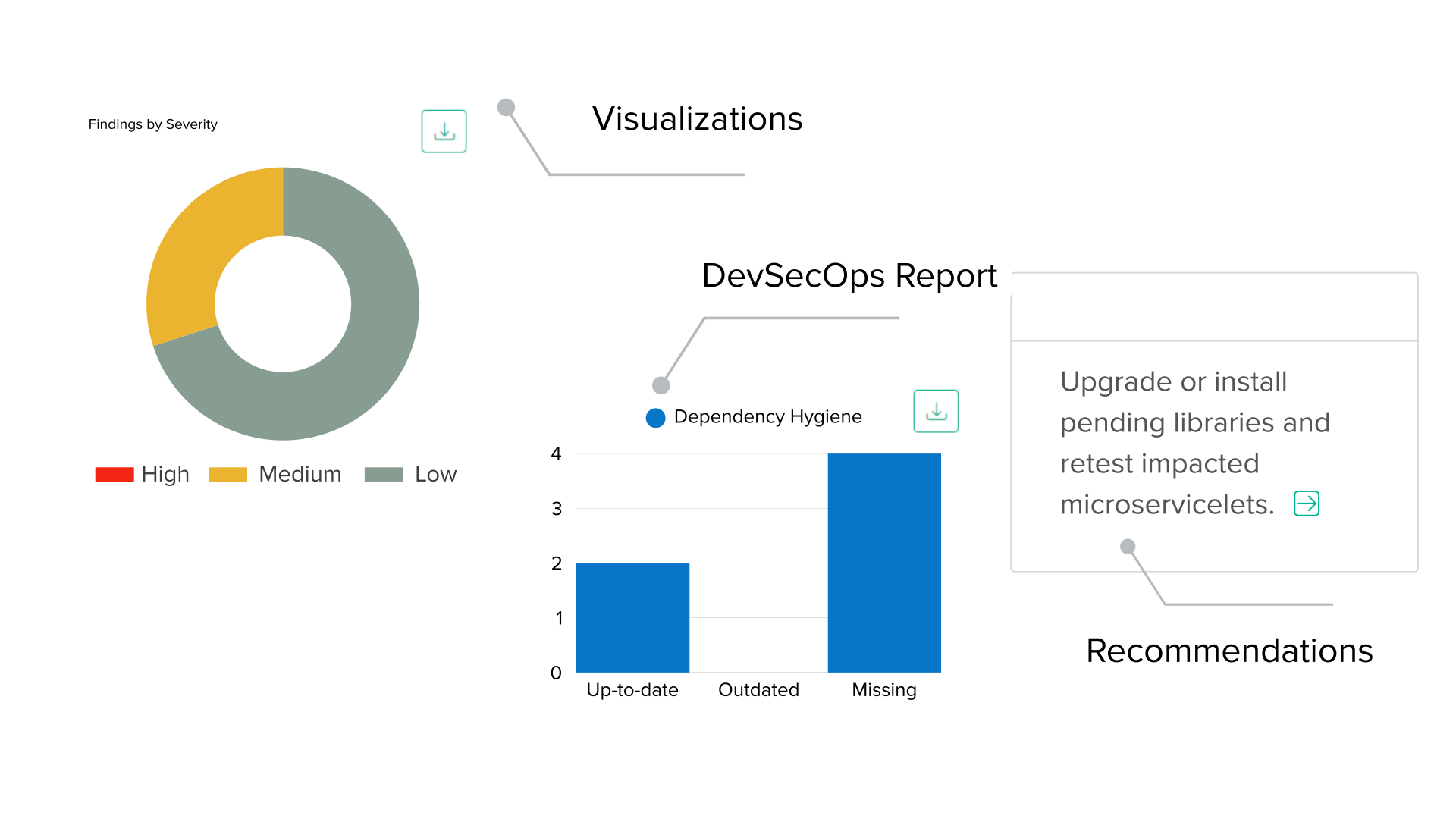
Understand the components, review the findings and retain the basis for delivery decisions.
Review components, dependencies and provenance for the selected release.
Connect remediation and exceptions to configured delivery controls.
Keep source context, decisions and follow-up available for assurance.
Review software inventories and generate or import SBOM records through supported workflows. Confirm the source, profile, coverage and version for the selected release.
An inventory describes the components captured for its stated scope. Review missing components, provenance, freshness and supported mappings before relying on it.
These are areas for a scoped assurance review. Supported inventories and reports do not themselves establish legal compliance or certification. Confirm applicable requirements and available workflow coverage with the responsible team.
Review AI component inventories, model and provider provenance, versions and linked evidence within supported workflows.
Confirm inventory completeness, permitted data and the assurance scope with the responsible reviewers.
Evaluate configured security rules and retain required human review. Confirm how connected delivery workflows apply each gate outcome.
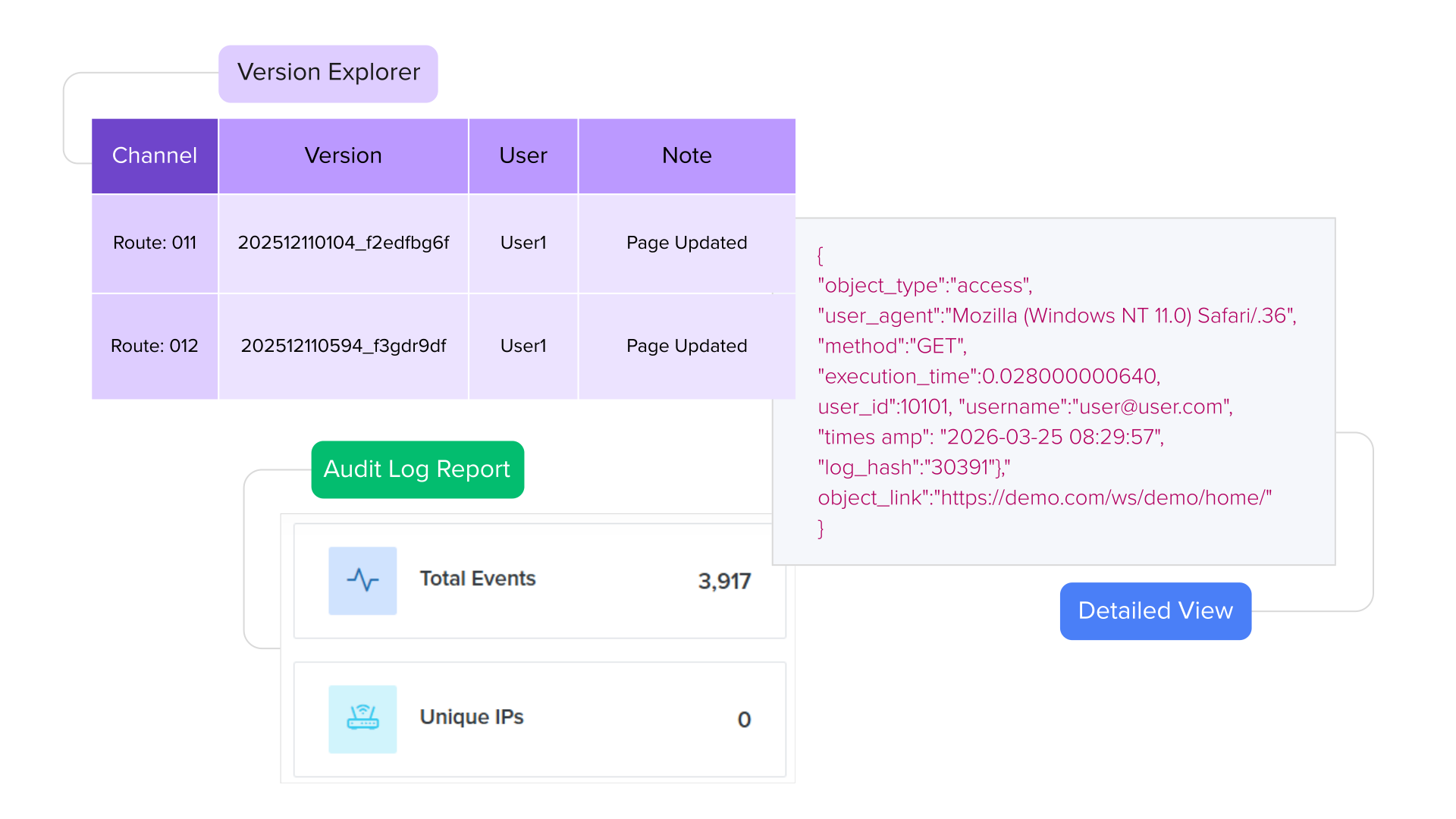
Connect supported sources and delivery workflows with explicit access, rules, evidence and enforcement responsibilities.
Security operates across
Security becomes part of the system lifecycle.
Approved scanners and engineering systems can remain sources while Guard normalizes security outcomes for governed delivery.
Guard coordinates
This provides a consistent security decision surface without claiming to replace every specialist source tool.
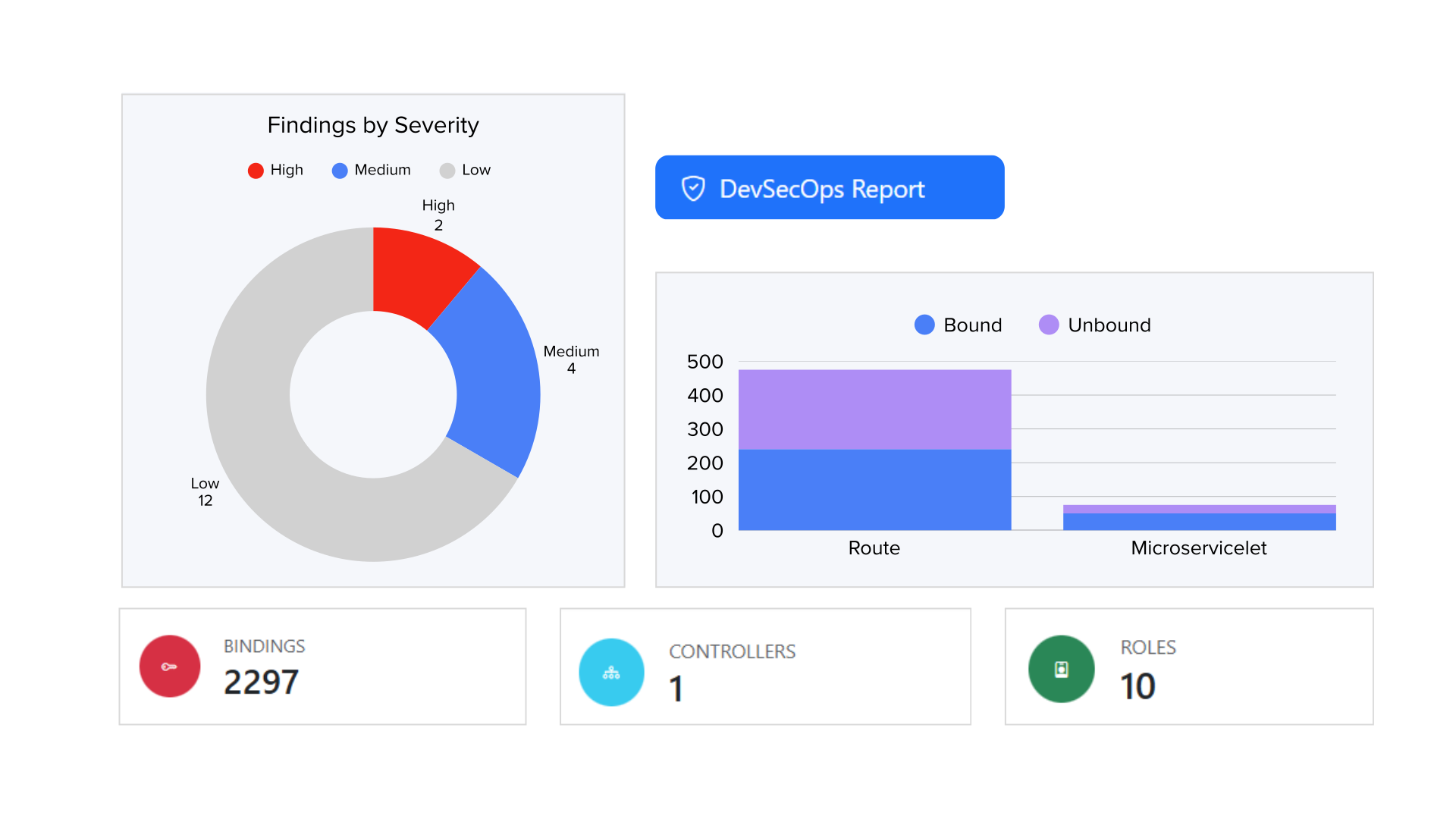
Follow the finding from its source to verified follow-up, with accountable review at each handoff.
Identify the source, version and environment covered.
Confirm relevance, evidence and an accountable remediation owner.
Apply the configured rules and retain blockers and required approvals.
Verify that the delivery path applies the authorized outcome.
Refresh evidence, retest changes and review exception expiry.
Illustrative workflow, not a live scan, approved exception or release authorization.
Connect the security review to its policy owner, delivery controls and retained evidence.
Connects scoped findings, inventories, exceptions and security gate outcomes.
Retains policy and risk decision ownership, with the required human review.
Applies configured delivery controls and verifies the release outcome.
A passing gate alone does not establish security or compliance. Confirm source coverage, reviewer authority and enforcement in the connected delivery path.
Discussion checklist only; it does not save completion, run checks or authorize a release.
Identify the source, capture date, system, repository or inventory revision and target environment. Record gaps, stale results and permitted access.
Link severity, current status, remediation owner and retest evidence. For an exception, retain rationale, scope, reviewer authority, conditions and expiry.
Retain the applicable rule version, gate result, blockers, approvals and exact release context. Confirm how the target delivery path applies the outcome and where verification evidence is recorded.
Guard connects security evidence for review and audit preparation.
In Flex operational workflows, confirm the configured controls and evidence responsibilities for the work being performed.