
 Batoi Corporate Office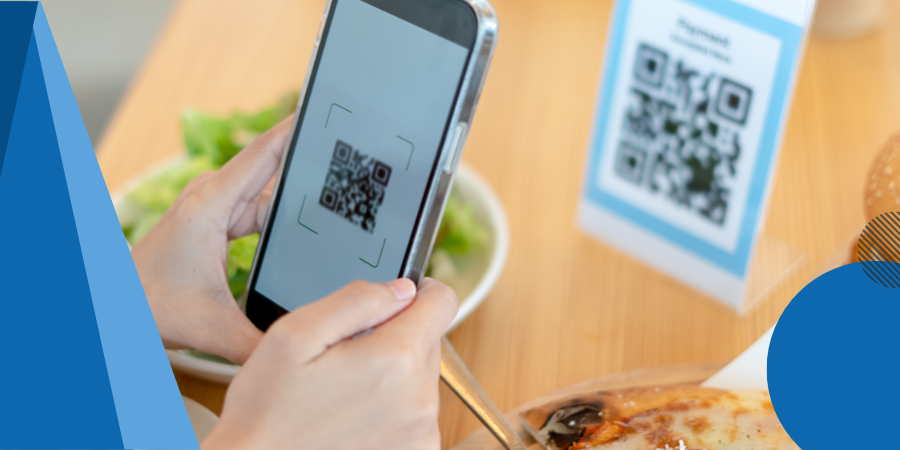
When QR codes first became common in restaurants, they were primarily used for digital menus. It was a practical response to a specific need: reduce printed materials and allow quick updates. That shift solved one operational problem.
But menus are only the beginning.
For restaurants, QR codes can serve as a bridge between physical space and digital coordination. When used thoughtfully, they simplify customer interaction, reduce manual effort, and create a more connected operating environment. The key is to think beyond static display and toward operational flow.
A restaurant operates around a few recurring movements: guests arrive, orders are placed, payments are made, feedback is given, and loyalty is built. QR codes can support each of these stages without adding complexity.
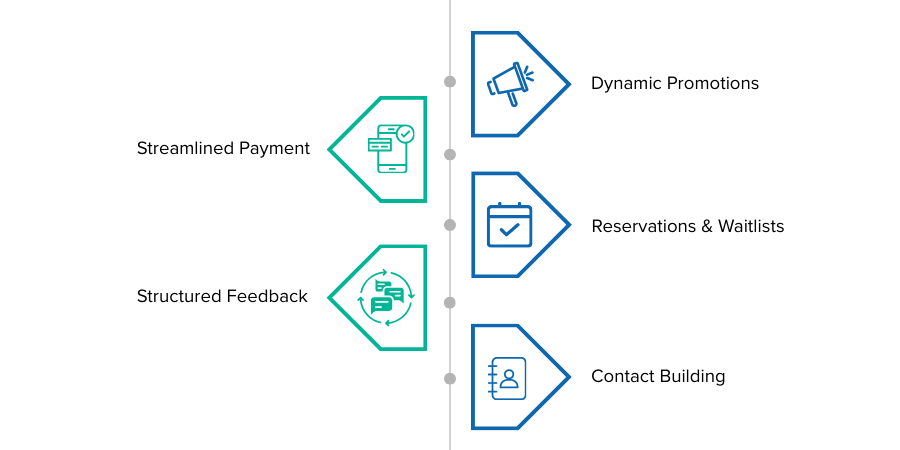
Consider the moment a guest is seated. A QR code on the table can still open the menu, but it can also connect to daily specials, limited-time offers, or seasonal promotions. Because the link is dynamic, updates require no reprinting. It is particularly useful for restaurants that frequently adjust pricing or offerings.
But the interaction does not have to end there. After the meal, a QR code on the bill or table can lead directly to a payment page. This reduces friction for guests who prefer digital payments and minimizes staff handling time. If that payment link connects to the restaurant’s billing system, tracking becomes clearer and more centralized.
Another practical use lies in reservations and waitlists. Instead of relying solely on phone calls or third-party platforms, restaurants can display a QR code near the entrance that links directly to booking or waitlist registration. It allows guests to self-register and reduces pressure on front-desk staff during peak hours.
QR codes can also support feedback collection. Placing a subtle code near the exit that links to a short feedback form encourages guests to share impressions immediately. When feedback flows into a structured system rather than being scattered across review platforms, it becomes easier to monitor trends and respond constructively.
There is also value in contact building. Restaurants often rely on repeat customers, yet many do not systematically capture contact information. A QR code that allows guests to save the restaurant’s contact details or join a mailing list can strengthen long-term engagement without intrusive data collection.
The effectiveness of these applications depends less on the technology and more on coherence. If QR codes are generated from different tools for menus, payments, bookings, and feedback, management becomes fragmented. Staff may not know which link is current. Updating information becomes cumbersome. Data is scattered across platforms.
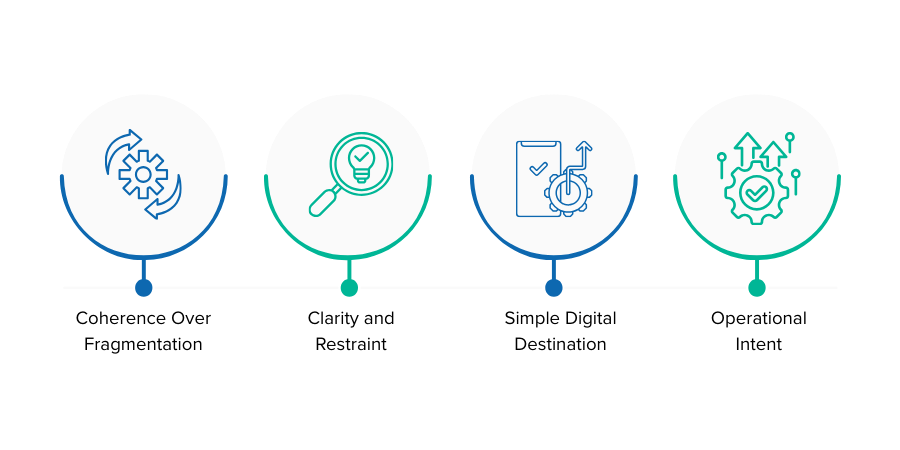
When QR codes connect back to a single operational layer - where menus, bookings, payments, and feedback are aligned - management becomes simpler. Updating one system updates the experience everywhere. This coherence reduces the risk of tool sprawl, which many small businesses experience over time.
There is also a subtle branding benefit. A clean, well-placed QR code with a clear purpose signals modernity and efficiency. Guests do not need to search online for information or ask repeatedly for instructions. The interaction feels smooth.
However, restraint matters. Overloading tables and walls with multiple QR codes creates confusion. Each code should have a clear function and be labeled accordingly. “View Menu.” “Pay Bill.” “Book a Table.” “Share Feedback.” Clarity encourages use. It is equally important to ensure that the landing experience after scanning is simple. A QR code that opens a cluttered or slow-loading page undermines its purpose. The digital destination should match the ease promised by the scan.
Restaurants can also use QR codes to support events. For example, during themed evenings or live music nights, a QR code can link to event details, registration, or special promotions. It removes the need for printed flyers and allows rapid updates. For restaurants operating multiple locations, QR codes can provide location-specific information without duplicating materials. Each branch can display codes tailored to its offerings while maintaining central coordination.
The broader lesson is that QR codes are not marketing gimmicks. They are operational connectors. They reduce friction at the points where customers move between physical and digital spaces. They simplify information flow. They create a consistent pathway for bookings, payments, and communication.
Restaurants do not need advanced technology stacks to benefit from QR codes. They need a structured way to manage the destinations that those codes lead to. When menus, bookings, payments, and feedback live in one coherent system, QR codes become extensions of daily operations rather than isolated tools.
In a business where speed, clarity, and customer experience matter, even small reductions in friction compound over time. Beyond menus, QR codes can quietly transform how restaurants coordinate with guests. The technology is simple. The impact comes from how intentionally it is used.