
 Batoi Corporate Office
Introduction
With digital marketing advancements through content and massive demand for e-books, digital publishing solutions are getting quite a hit. Companies use blogs, articles, and other documentation publishing tools to target their preferred customers. The beginning of digital publishing was in the year 1971 when Project Gutenberg got launched to digitalize the US Declaration of Independence. Since then, it is has gained popularity and is now used to share information. All the online magazines, journals, news contents, offline books, newspapers leverage digital publishing tools for creation. Almost every company nowadays is taking advantage of this tool. This article is a quick guide about digital publishing and how it benefits organizations.
What is Digital Publishing
Digital publishing is the online or electronic publishing of various digital information and online content like journals, e-books, magazines, articles, newspapers, and blogs. Through this process, publication houses and companies create and release digitized documents so that others can read, view, download, or change (sometimes) the content as per requirements and choices. It provides the art and science of communicating through information by leveraging technology. Digital publishing replaces hand-written documents and brought our content creation approach to an electronic form that requires digital devices to create and read them.
Advantages of Digital Publishing
There are various advantages an organization can leverage by incorporating digital publishing applications into their content and e-book creation process. These are:
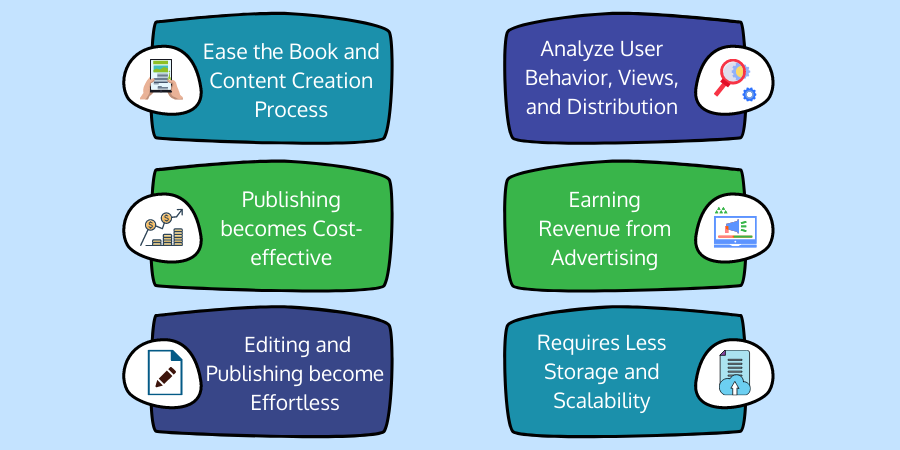
- Ease the Book and Content Creation Process: It is tedious to put the words in a handwritten format and then share the manuscripts with the publishers for drafting them digitally and printing them. Dealing with the old process of creating eBooks, contents, and articles is also time-consuming. Therefore, organizations can opt for a digital publishing solution to ease the task of publishing content and reduce wastage of paper.
- Publishing Becomes Cost-effective: The process of creating a physical book from traditional writing to digitally written mode reduces time and effort. Also, preparing online content articles, articles, e-magazines, and e-books became cheaper with the advent of digital publishing. Printing and publishing the newspapers and magazines were costly and required a massive workload. Organizations have eliminated that cost by leveraging digital publishing platforms and solutions.
- Editing and Publishing Become Effortless: With advanced digital publishing software, editing and formatting content becomes manageable. These tools come with advanced document editors and WYSIWYG editors. The best part is even after publishing the content, news, article, or blogs - organizations can edit the content and fix any typo. In the case of e-books and e-magazines, fixing the error also becomes easy, and republishing does not require an immense cost. In contrast, editing and republishing a physical book or magazine is too costly.
- Analyze User Behavior, Views, and Distribution: Most digital publishing software creates dashboards for users. These dashboards usually come with visual analytics that can help users understand how many visitors have visited their content or the traffic growth on a monthly, weekly, or yearly basis. Advanced digital publishing systems backed by data analysis algorithms also help understand user behavior for each content and article. Also, such analytics can provide the sales information and information related to who shared or distributed their content on different social media platforms. In contrast, the traditional publishing system does not cater to all these advantages. In legacy publishing models, authors and publishers had to wait for months or at least a week or two to get information about the article's or book's release, performance, and sales.
- Earning Revenue from Advertising: Digital publishing platforms also cater to another advantage that gets limited in the case of traditional publishing models. Publishers and authors can earn revenue from advertising based on the number of viewers, traffic, or visitors from their content, articles, and blogs. Digital advertising companies leverage these web pages to showcase their ads to the content readers and pay a percentage to the digital publishing platform, which ultimately goes to the author or the writer of those contents. Companies like Medium and other blogging platforms do the same. By providing better content with proper formatting and enhanced graphics (infographics), publishers and authors can attract more audiences and earn more revenue.
- Requires Less Storage and Scalability: Digital publishing solutions use cloud-based storages, which takes less space to store articles. Traditional publishing systems require lots of physical storage. Also, managing these books and magazines physically in the traditional publishing models is very hectic.